Welcome to ComSciCon 2025!
We are excited to announce the 13th annual ComSciCon Flagship Workshop, taking place at Emerson College in Boston, MA from July 13th to 16th, 2025.
For more information, please contact comscicon25@comscicon.org
About
ComSciCon provides graduate student attendees with a one-of-a-kind opportunity to meet early career leaders in Science Communication, learn from and interact with a remarkable group of invited experts, and produce original work communicating complex technical concepts from science and engineering to a new audience.
At ComSciCon’s Flagship Workshop, participants build communication skills that scientists and other technical professionals need to express ideas to their peers, experts in other fields, and the general public.
Ample time is allocated for networking with science communication experts and developing science outreach collaborations with fellow workshop participants. Workshop participants will produce an original piece of science writing and receive feedback from workshop attendees and professional science communicators, including journalists, authors, public policy advocates, educators, and more.
Founded in 2012 by graduate students at Harvard University, MIT, and the University of Colorado at Boulder, nearly 3000 graduate students nationwide have already participated in ComSciCon programs, including our annual Flagship Workshops and Franchise Workshops which have been started by ComSciCon alumni across the US and Canada. Attendees have founded new science communication organizations in collaboration with other students at the event, published over 80 articles written at the conference in popular publications with national impact, and formed lasting networks with our student alumni and invited experts.
We are extremely grateful to our sponsors who are making ComSciCon 2025 possible!
American Astronomical Society

MIT Office of Graduate Education

Burroughs Wellcome Foundation

Kavli Foundation (SEEDS)
Rita Allen Foundation (SEEDS)
American Chemical Society
HHMI Tangled Bank Studios
AAAS Mass Media Fellowship

Application
This year’s workshop will be hosted at Emerson College in Boston, MA from Sunday July 13th to Wednesday July 16th. We cover costs related to travel and housing.
The application deadline was on April 18th, 2025 at 11:59 PM (ET).
A description of how we review applications can be found here.
If you have any questions or concerns, please contact comscicon25@comscicon.org
Thank you for your interest in ComSciCon25!
Eligibility
Attendance at ComSciCon is limited to current (or recently graduated) graduate students in residence at US or Canadian institutions. International students who study at US and Canadian institutions are gladly welcomed. Recent graduates must have graduated no earlier than January 2025. ComSciCon applications are competitive and we encourage applicants to prepare their responses with care.
Application, registration, and attendance at the workshop is free of charge for accepted applicants. ComSciCon attendees are required to complete pre-workshop requirements, and to attend the entire workshop.
ComSciCon is committed to equity and inclusion. We strongly encourage applications from people from historically underrepresented groups, including but not limited to the following groups: the Black community, Native Americans and Indigenous Peoples, minoritized racial and ethnic groups, persons with disabilities, and the LGBTQIA2S+ community.Accommodations can be provided upon request for people with disabilities. We will provide opportunities to request specific accommodations after the selection process for attendees is complete. Please see our Code of Conduct here.
Pre-workshop Requirements
Create-a-Thon
What is the Create-A-Thon?
The Create-A-Thon is your chance to hone your science communication skills by writing an article, producing a video, recording an audio piece, or producing visual art about any science topic of your choice (be it your research or something else) and receive valuable feedback through a workshop with your peers and expert reviewer.
Our recommended requirements for the Create-A-Thon vary with the genre of project you’re creating (writing, audio, video, or visual arts). They’re listed below:
- Writing: we recommend a 600-1,200 word original piece of science writing (such as a news article, op-ed, personal essay, poetry, etc.) along with an accompanying freelance pitch. New for this year, we will have a separate “track” and dedicated reviewers for op-eds/opinion pieces.
- Audio: we recommend 5 minutes of audio content (podcast, interview, news spot, etc.) along with an accompanying written freelance pitch.
- Video: we recommend 5 minutes of video content (for YouTube, TikTok, etc.) along with an accompanying written freelance pitch.
- Visual art: the form this can take (e.g. photography, comics, illustration, data visualization) is totally at your discretion, however we’d still like you to produce an accompanying written freelance pitch.
A “pitch” is a story outline that you send to an editor of a publication (or, as applicable, a producer at a radio station or YouTube channel, an editor at arts magazine, etc.) to persuade them to publish your piece. Please see this document for guidelines on crafting a pitch.
Deadlines
Please complete the following steps by the following dates (in each case, the deadline is the date indicated at 11:59pm in your timezone):
- Wednesday, June 18th: Fill out this Google Form indicating the genre of your piece so we can form peer review groups. After this, we’ll send you a link to a Google Drive folder where you’ll upload your piece and review/edit pieces by 2-3 of your peers.
- Monday, June 30th: Drop a rough draft of your pitch and piece into the Google Drive folder with your name on it.
- Monday, July 7th: Read, provide feedback for your peers’ pitches and pieces (edits and comments), and reupload each of your peers’ drafts into their named folders. Please use tracked changes and comments features where possible, and name your uploads as specified below.
- Thursday, July 10th: Upload your revised draft to the folder named “Revised drafts”. Please retain a copy of your original draft.
Please email csc25createathon@gmail.com for any questions or inquiries!
ComSciCon Poster Session
We are excited to announce that ComSciCon is hosting a poster session!
Poster sessions are an ideal way to share a science communication endeavor you’re involved with, and they are great opportunities to network and collaborate with other attendees. Many fantastic new projects and initiatives have sprouted from discussions begun at previous ComSciCon poster sessions.
Note that these posters should NOT be on your scientific research. They should be on a project, initiative, or organization involving science outreach, advocacy, education, etc.
You can see examples of successful abstracts from previous programs here.
If you’re interested, submit an abstract by June 20th, 2025 @ 11:59 PM EST here.
Accepted abstracts will be notified by the end of June. Please note that there are no charges or fees for submitting or presenting a poster. We have arranged to have posters printed for you if you’d like. If your abstract is accepted, you will be given further instructions. We encourage all ComSciCon 2025 attendees to apply for a poster slot!
If you have questions about the poster session, please reach out to Ernesto Camacho Iniguez (eacamacho@uc.cl).
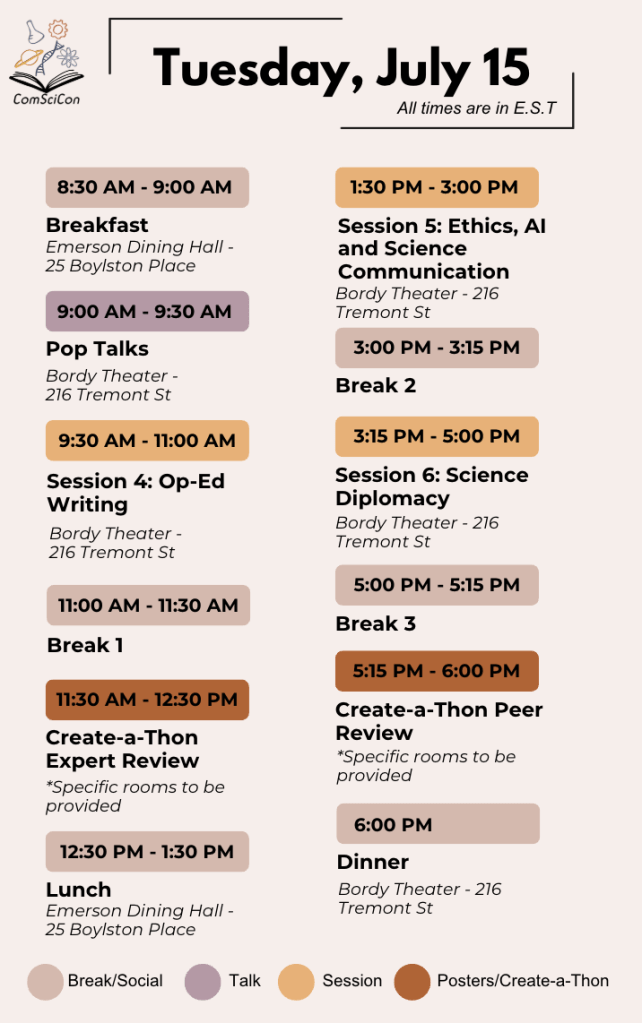
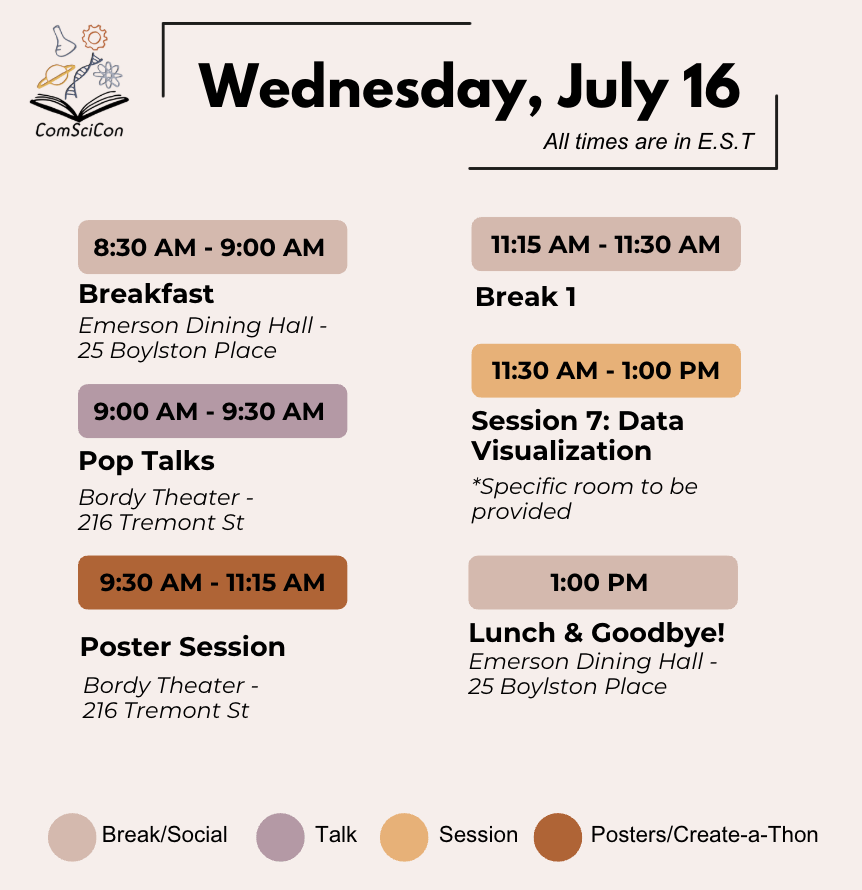
Program

Venue and Acccommodation
The primary event venue will be the Bill Bordy Theater, located at 216 Tremont Street. Selected participants requiring overnight accommodations will be staying in the student dormitories at 100 Boylston Street. Meals will be provided at Emerson’s Dining Hall, located at 25 Boylston Place.
DORM
Emerson Colonial Residence Hall
Address: 100 Boylston Street
You will need to check-in at your dorm when you first arrive at Emerson. Here, you will be provided with your room key as well as your access ID. This ID will grant you access to the dining halls for your meals and to the Bordy Theater where the conference will take place.
If you are checking-in outside the hours of 7:00 AM – 11:00 PM EST, you will have to go to the Emerson College Police Department (114 Boylston Street) to pick up your keys and access ID.
MEALS
Emerson Dining Hall Location: 25 Boylston Place
The dining hall will be open 7:00 AM to 10:00 AM for breakfast, 11:30 AM to 2:30 PM for lunch and 4:30 PM to 7:00 PM for dinner.
July 13: Dinner — Dining Hall
July 14: Breakfast, Lunch — Dining Hall
July 14: Dinner — Banquet @ Rock Bottom Restaurant & Brewery
July 15: Breakfast, Lunch — Dining Hall
July 15: Dinner — Pizza Social @ Bordy Theater
July 16: Breakfast, Lunch — Dining Hall
Transportation
To reach the dormitory by public transport from Boston Logan Airport:
- Take the Silver Line SL1 bus from the airport terminal to South Station (free of charge).
- From South Station, you have two options:
- Walk to the dorms (approximately 15 minutes), or
- Transfer to the Red Line (inbound) and ride to Park Street station. From there, transfer to the Green Line (any train except the E Line) and get off at Boylston Station, which is right next to the dorms.
- Alternatively, you can use ride-share services like Uber, Lyft, or local taxi companies, which are available directly from the airport. This option is more direct and convenient, especially if you’re traveling with luggage or arriving late at night. Depending on traffic, the ride typically takes 20–30 minutes and costs around $25–40 USD.
Organizing Committee
Co-Chairs

Kate Yeadon – Programming Committee Co-Chair
Kate Yeadon (she/her) graduated with a M.Sc. in Chemistry from Carleton University in 2023 where she collaborated with the National Research Council of Canada. Her research focused on using electrochemistry to design sensors capable of detecting ice formation on aircraft surfaces. This work limits the build-up of ice on airplanes and reduces the need for more polluting solutions making air travel safer and more environmentally-friendly. Kate is passionate about making science accessible and engaging. She is a member of CAGIS (Canadian Association for Girls in Science) where she runs science workshops for girls, nonbinary, and gender nonconforming youth who share her love of science. Kate also works at the Ottawa Public Library where she promotes science literacy and STEAM programming. In her free time, Kate runs a chemistry blog, The Periodic Ta-blog, where she posts articles on topics ranging from the science of everyday phenomena to break-through research findings.
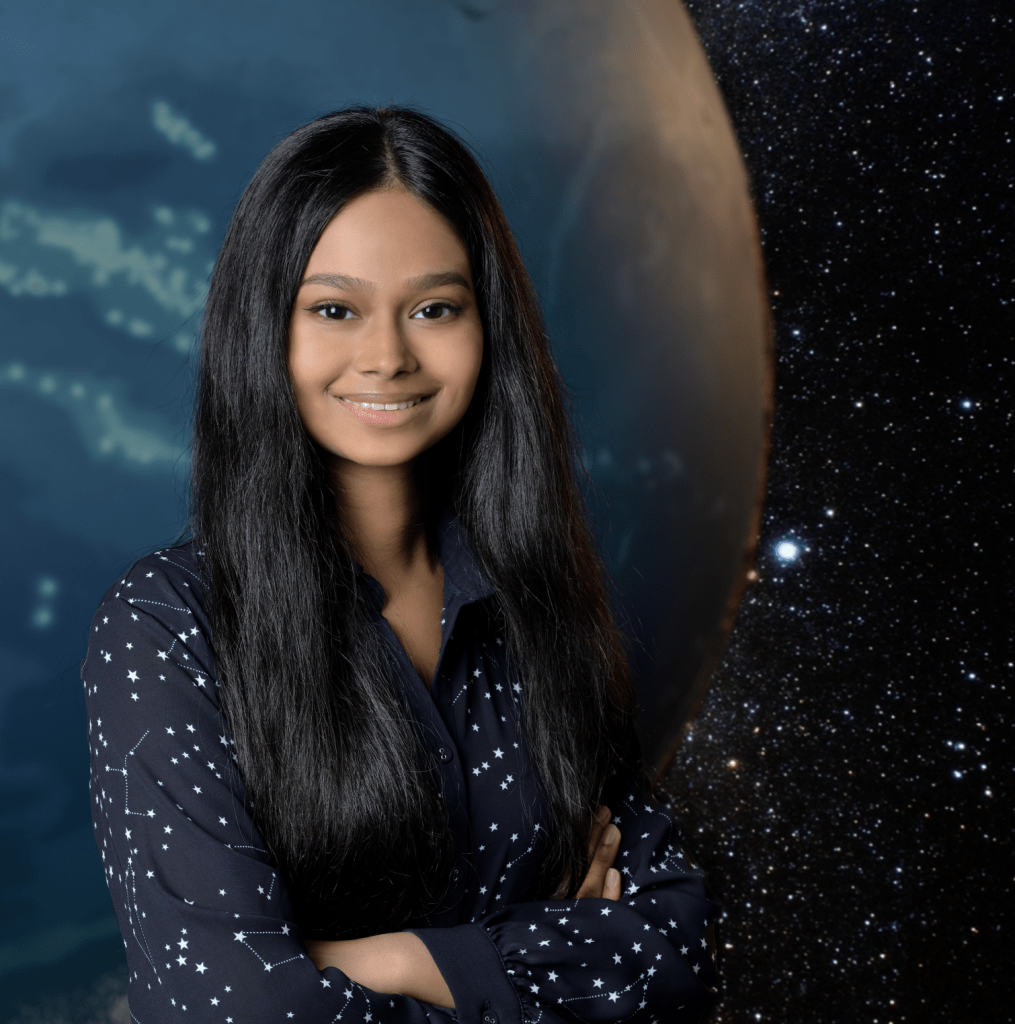
Wasundara Athukoralalage
Wasundara Athukoralalage (she/her) is a PhD student in Astrophysics at Harvard University. She uses data from both ground-based and space-based telescopes to study the explosive deaths of massive stars known as supernovae. Her current research focuses on a rare class of supernovae that interact with material shed by the star prior to explosion, offering new insights into the final stages of stellar evolution. She is passionate about making academia more inclusive and accessible through outreach, mentorship, and science communication. Outside of research, she enjoys tending to her many houseplants, crocheting, and baking sweet treats!
Programming Committee (PC)
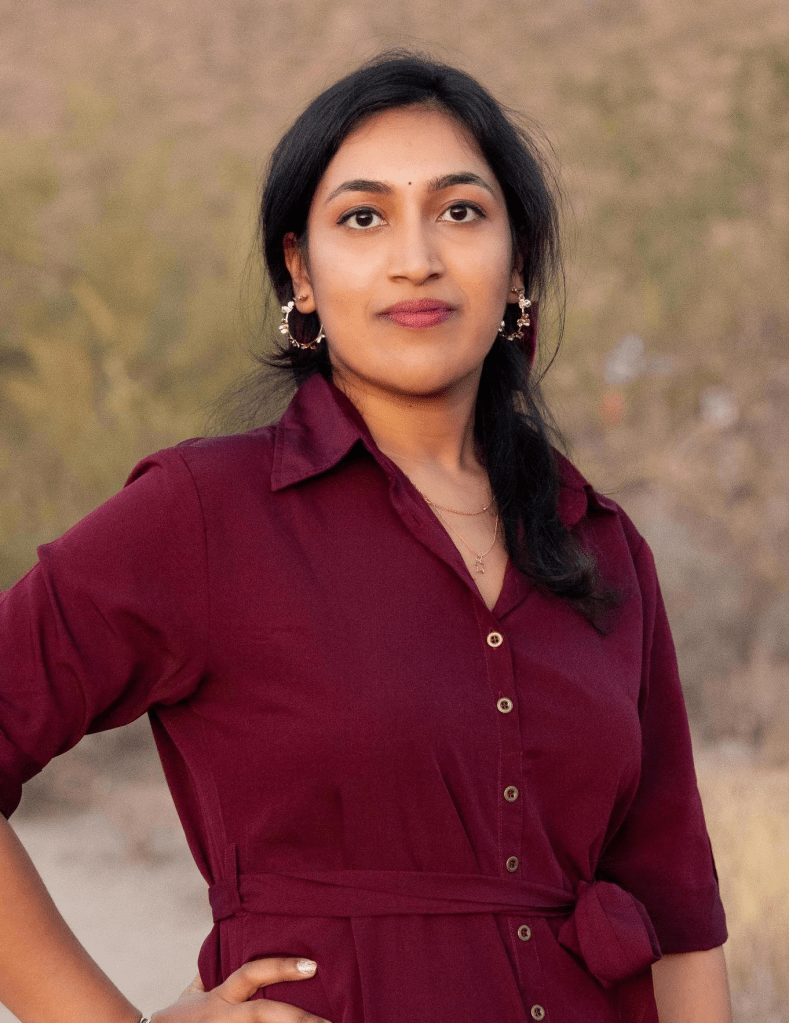
Akshatha Vydula
Akshatha Vydula is an experimental cosmologist studying the Universe in its formative years. She recently graduated with a PhD in Astrophysics from Arizona State University and will be joining the University of Richmond as a Postdoctoral Fellow, where she will work with the world’s largest steerable radio dish. Passionate about science communication, Akshatha enjoys organizing local outreach events and believes in the power of grassroots efforts to make science accessible. Having grown up in a small town, she has since traveled to remote locations around the world, conducting research and sharing scientific knowledge.
For her contributions to astrophysics and science communication, she was recently honored with the Bharat Gaurav Puraskar and recognized as one of the 35 Under 35 Non-Resident Indians by the Bharat Vikas Foundation. Akshatha attended the ComSciCon 2024 flagship conference as a participant and is thrilled to return this year as an organizer.

Amel Sassi
Amel Sassi (she/her) is an incoming medical student at the University of Toronto, with a multidisciplinary background in biomedical sciences, engineering, and community-based research. She holds a Master of Applied Science degree in Biomedical Engineering from the University of Toronto, where her research focused on the development of a bone-on-a-chip to explore cancer metastasis. Amel serves as the co-founder and project manager of ScleroCare, a digital platform for individuals living with scleroderma, Amel brings together researchers, clinicians, and patient partners to build tailored education resources, community forums, and care navigation tools. She also works as a research coordinator at the Centre for Addiction and Mental Health, where she supported province-wide implementation of addiction programs for underserved communities.
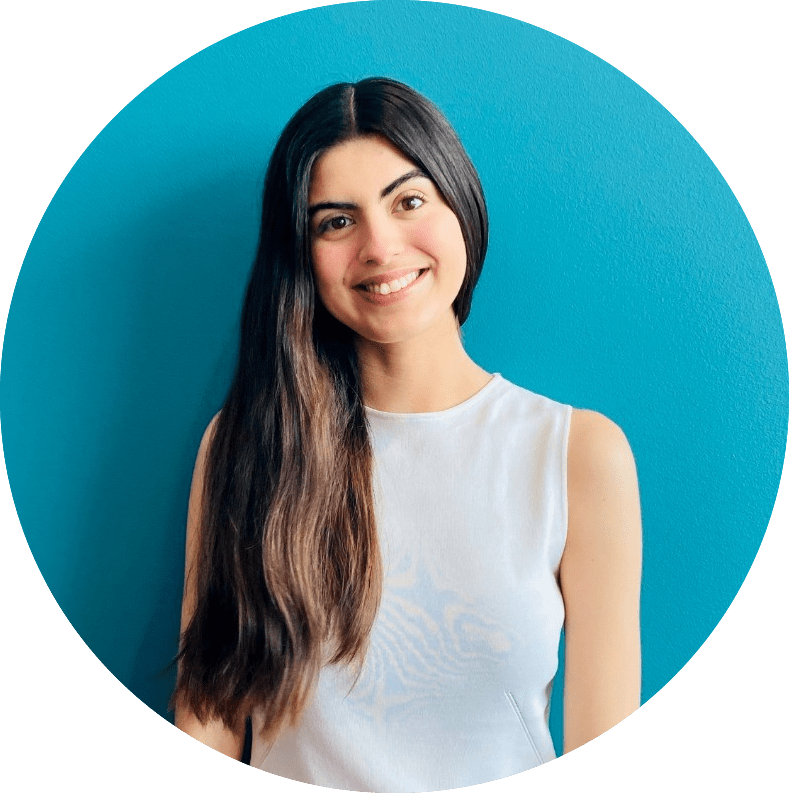
Anna Rios
Anna Rios (she/her) earned her bachelor’s degree in Molecular and Cell Biology at the University of California, Berkeley. Her interest in research took shape while at Harvard Medical School, in the Department of Neurobiology. Anna is now a Wu Tsai + NSF GRFP fellow at Yale, pursuing a PhD in neuroscience. In addition to her academic work, Anna has enjoyed mentoring undergraduates at Harvard College as a Resident Tutor and at Yale College as a Graduate Affiliate.
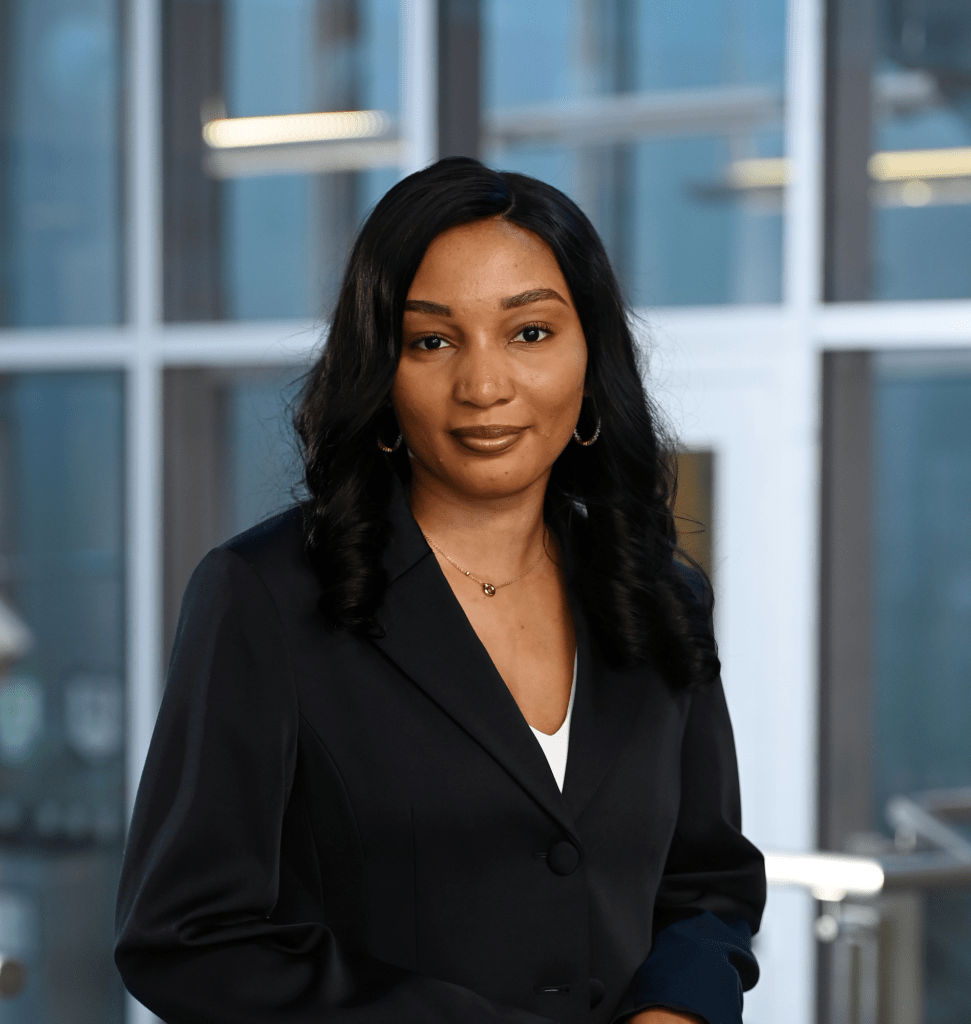
Bimpe Ayoola
Bimpe Ayoola (she/her) is a final-year PhD candidate in Computer Science at Dalhousie University. Her research focuses on helping software professionals design socially sustainable technologies that respect privacy, promote fairness, and support societal well-being. She shares her work as a science communicator and OpenThink fellow at Dalhousie, where she writes public-facing blogs to make computer science research more accessible. Bimpe is also passionate about mentorship and education; she teaches software development courses and mentors African Nova Scotian youth (Grades 4-12) in coding through Imhotep’s Legacy Academy. Beyond campus, she serves as the women’s representative on the CS-Can | Info-Can Student and Postdoc Advisory Committee and is currently the Director of Science and Computer Science for the Dalhousie Organization of Graduate Students.
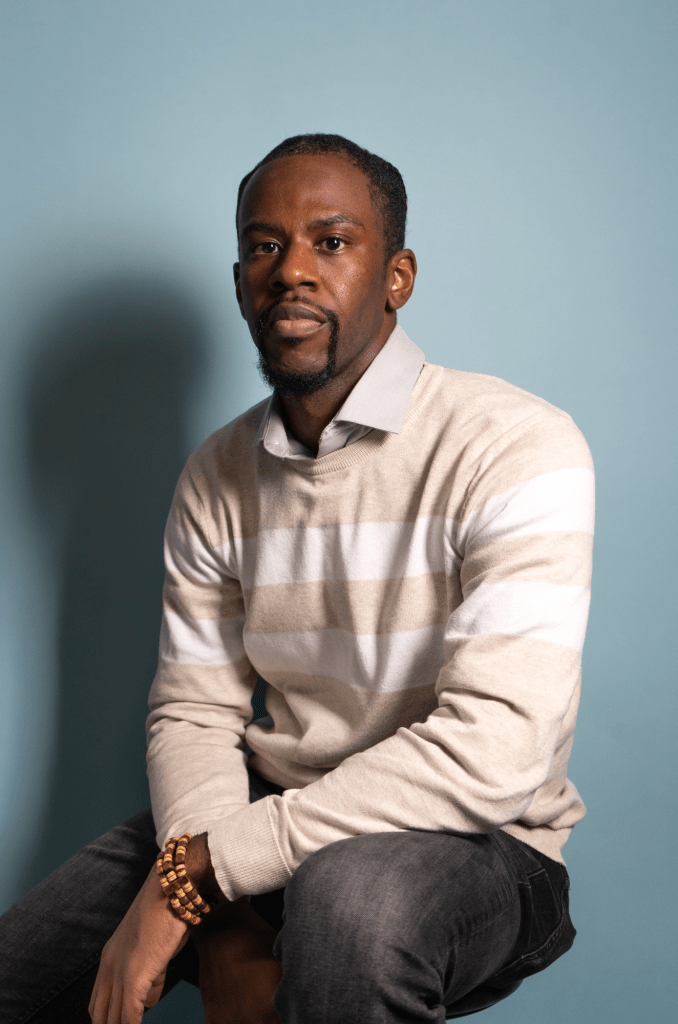
Chad Small
Chad Small (he/him) is a third-year PhD student in Atmospheric and Climate Science at the University of Washington, researching how information about tropical phenomena can improve our understanding of extreme rainfall and flooding events in midlatitude regions. He is also a freelance reporter and data journalist. Chad’s reporting often looks at the intersection of environmental justice, science policy, and potential responses to climate change. His work has appeared in the Bulletin of the Atomic Scientists, Grist, Next City, and Gothamist. Chad is a former data reporting fellow at Grist and climate change editorial fellow at the Bulletin of the Atomic Scientists. He is currently the 2025 AAAS Mass Media fellow with Inside Climate News.
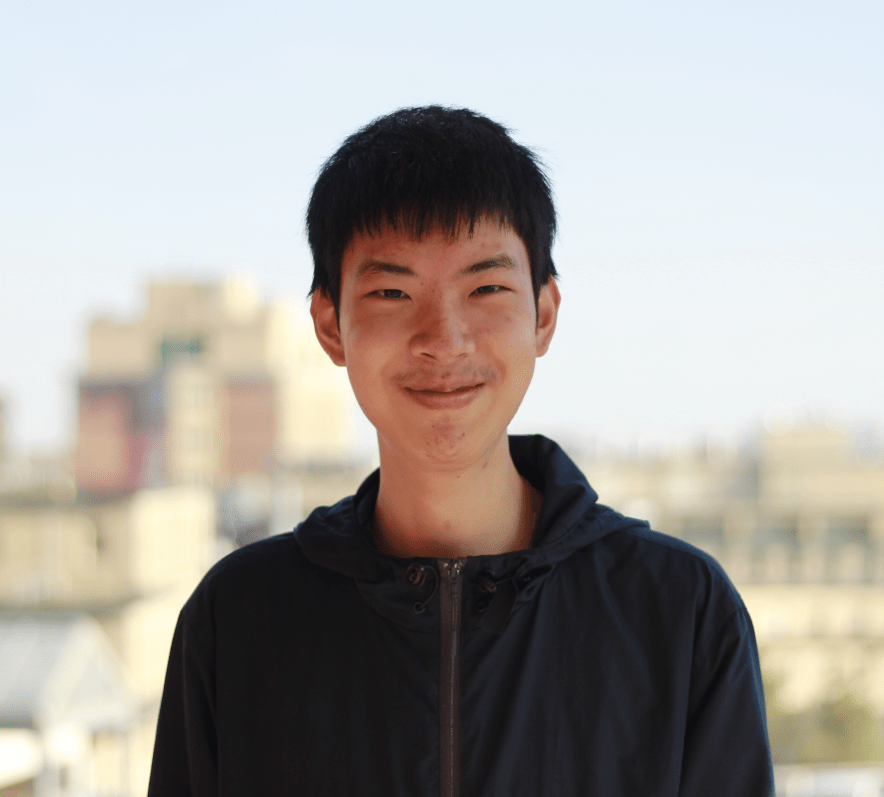
Edward Chen
Hi! I’m (He/Him) a research technician at Boston Children’s Hospital studying something called graft-versus-host disease (GVHD) — a distressing and debilitating, yet common, side effect of bone marrow transplants. (Broadly speaking, the newly transplanted bone marrow creates new immune cells that can sometimes fail to recognize the body’s normal cells as “self.” These immune cells then attack healthy tissue, potentially causing wide-ranging symptoms such as nausea, thickening of the skin, and difficulty breathing. I conduct a lot of single-cell RNA-sequencing analysis of immune cells from transplant patients to identify gene expression differences linked to GVHD.) My interest in science outreach is broad – I’ve worked on podcasts, video series, and in-person events for adults, elementary schoolers, and everyone in between. But most of all, I’ve developed a fondness and appreciation for science writing. In 2022, I was a AAAS Mass Media Fellow at STAT. I’m now working on SciQuel, a new non-profit, with friends. I spent undergrad at West Valley College and the University of Rochester, majoring in biomedical engineering, then finished a master’s in immunology at Harvard.

Elena YH Lin
Elena (they/she) is a PhD student in the Biomedical Sciences at UC San Diego studying T cell immunology. Informed by their personal experiences and interdisciplinary training in the arts and sciences, Elena is learning ways to establish more inclusive and accessible spaces for marginalised individuals. Their science communication adventures range from creating visual arts to directing the social justice-centred SciComm Collective. You can find Elena drawing and stress-baking in their free time.

Emily Liu
My name is Emily (she/her) and I am a PhD student at Harvard studying immunology. My research focuses on understanding how the spatial distribution of cytokines in the lymph node impacts immune cell organization and function. Having been an artist since a young age, I am interested in bridging art and science to communicate research in a way that is both fun and easily digestible to the public.

Mostofa Kamal
I (He/Him) was born in the Nilphamari district of Bangladesh and is currently pursuing a Ph.D. in the School of Environment and Sustainability at the University of Saskatchewan, Canada. My doctoral research focuses on understanding the characteristics of supercell thunderstorms—infamous for producing tornadoes, hurricane-force winds, and large hail—across the Canadian Prairies. I hold diverse academic background with an M.Sc. and B.Sc. in Physics from Shahjalal University of Science and Technology, Bangladesh, a postgraduate diploma in Earth System Physics from the Abdus Salam International Centre for Theoretical Physics (ICTP) in Italy, and an M.Sc. in Earth and Environmental Sciences from the University of Waterloo, Canada. Outside academia, I am the founder of www.abohawa.com, the first non-governmental operational weather forecasting website in Bangladesh, delivering daily forecasts and weather alerts in Bangla for audiences across Bangladesh and India. I am a passionate science communicator, I promote STEM education through blogs, op-eds, invited talks, and media interviews, including appearances on BBC, Voice of America, and The New York Times. My contributions to science communication were recognized with the American Geophysical Union’s Voices for Science Fellowship Award (2024). A committed student leader, I served as President of the University of Saskatchewan Graduate Students’ Association (2022–2024) and received the Mark Kroeker Exceptional Student Leadership Award. I also received the AMS Early Career Leadership Academy Fellowship 2025. I am currently involved with the following leadership and volunteering roles: Co-Chair of the AMS Board of Student Affairs Student Professional Development Committee, Board Member of the AMS Board of Government Meteorologists (BOGM), Member of the Municipal Planning Commission for the City of Saskatoon, Canada, Organizing Committee Member of the AMS Student Conference 2026, Former organizing committee member of the ComSciCon Flagship Workshop 2024. In my leisure time, I enjoy cooking, gardening, fishing, spending time with family and friends, listening to podcasts, and watching movies. To learn more about my work in research, student leadership, and science communication, visit: www.mostofa-kamal.com
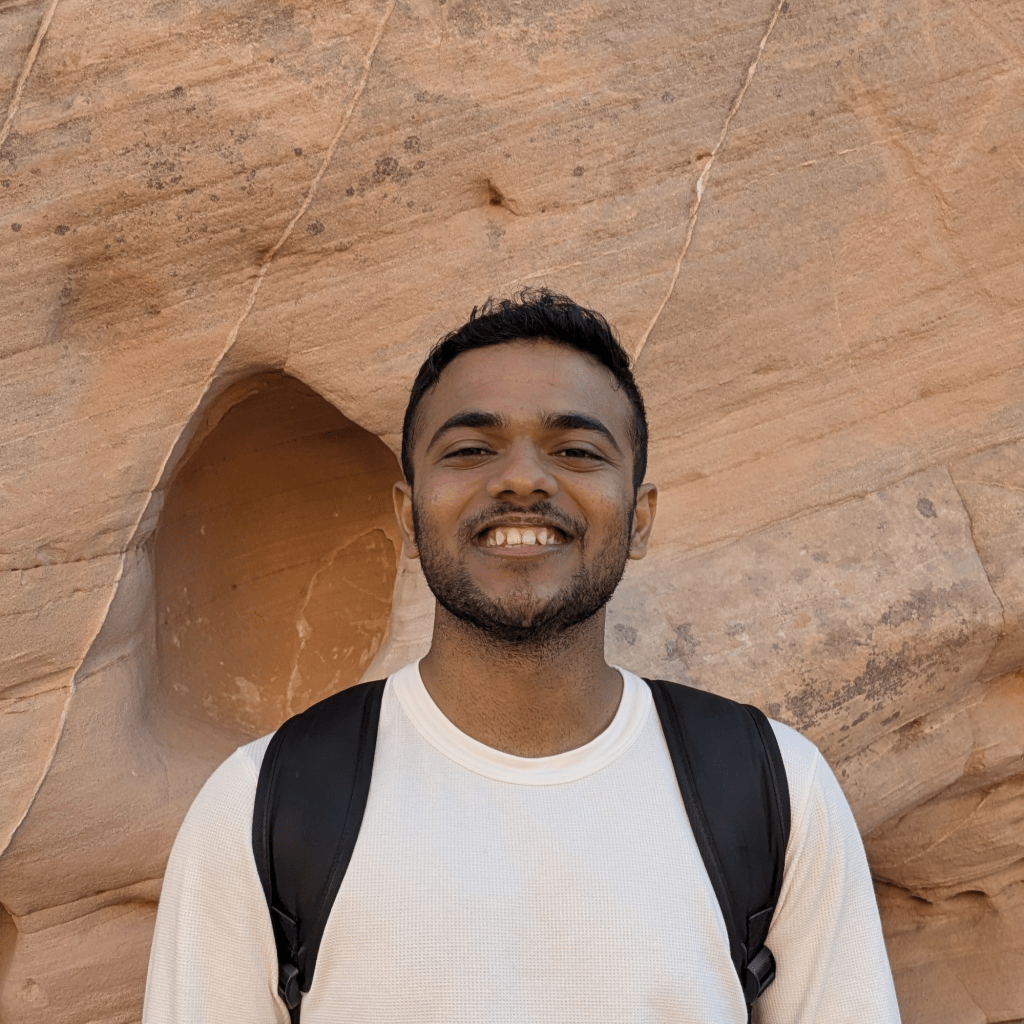
Pranav Satheesh
I (he/him) am a PhD candidate in physics at the University of Florida, where I study supermassive black holes and galaxy evolution. In particular, I use cosmological simulations to probe the role of supermassive black holes in galaxy evolution. In addition to my research, I make science comics and infographics focusing on various concepts in astronomy and latest astrophysics research. I am also part of Astrobites and worked as a science-writer.
Logistics Committee (LC)
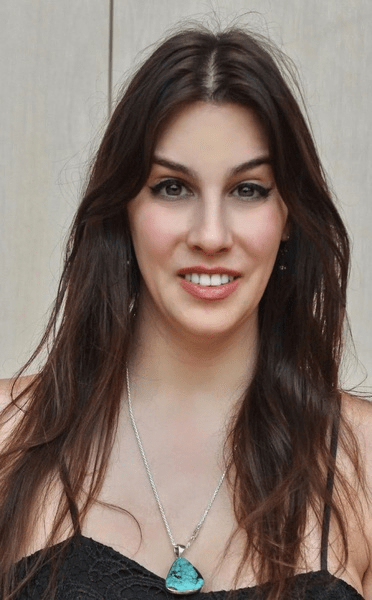
Alexa D’Addario
Alexa has both a Master of Science and Master of Journalism degree from Carleton University and Ryerson University (now Toronto Metropolitan University). Her research has been featured in the Marine Pollution Bulletin, Environmental Conservation and the Journal of Biochemistry and Cell Biology, and her writing in The Hill Times, Canadian Science Policy Centre (CSPC), Research Money, BioMatters, Manotick Messenger, Barrhaven Independent and ComSciConversation. Alexa enjoys learning about the environment, animals and fossils, and communicating that information to others. In her spare time you can find her reading, playing video games, singing, painting, and practising martial arts and gymnastics. Please reach out to her if you would like to learn more 🙂

Ernesto Camacho
I’m Ernesto, originally from Ecuador. I love the color purple and enjoy outdoor activities like biking, hiking, walking, attending concerts, dancing, and much more. I’m an astrophysics graduate student at PUC-Chile and a pre-doctoral fellow at the CfA | Harvard & Smithsonian. My research focuses on what I call the Goldilocks of black holes: intermediate-mass black holes. I use observations of black hole light variability to find and better characterize them. I’m passionate about science communication, outreach, and education. As an extrovert, I enjoy creating connections and building networks. I firmly believe that by sharing the amazing things science has to offer, we can make a positive impact on both a practical and philosophical level.

Mackenzie White
Mackenzie White (she/her) is a science journalist and geophysicist from Austin, Texas. She’s currently a digital intern at NOVA as she completes her last month of the MIT Graduate Program in Science Writing. When she’s not writing about space rocks, you can find her along the rivers of central Texas with her dogs, Rocky and Maggie.

Olga Borodina
Olga (she/her) is a PhD student in Astrophysics at Harvard University. She studies how galaxies evolve by running simulations on supercomputers. Outside of work she loves playing volleyball and knitting!

Sarai Rankin
Sarai Rankin (she/her)’s research has explored many different subjects in astronomy. From the birth of the cosmos to the deaths of stellar binaries, she aspires to understand every aspect of this field. Sarai believes that astronomy — and science as a whole — should be accessible to people of all backgrounds. Sarai intends to spend my career researching the secrets of the universe through the observation, imaging, and analysis of deep space, sharing her findings with the public in a way that is both understandable and inspiring.
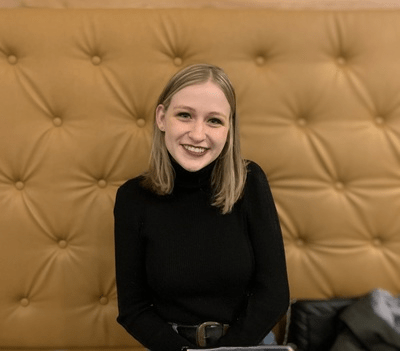
Stacy Pitcairn
Stacy Pitcairn (she/her) is a Ph.D. candidate in Neuroscience at Wake Forest School of Medicine. Her research focuses on how stress can alter brain regions that are involved in post-traumatic stress disorder (PTSD) and alcohol use disorder/addiction. Outside of research, she enjoys watching movies, spending time outdoors with her dog, and using popular media as a tool to communicate science and engage audiences of all ages. She participated in ComSciCon2023 Flagship as an attendee and served on the Organizing Committee in 2024 and 2025.
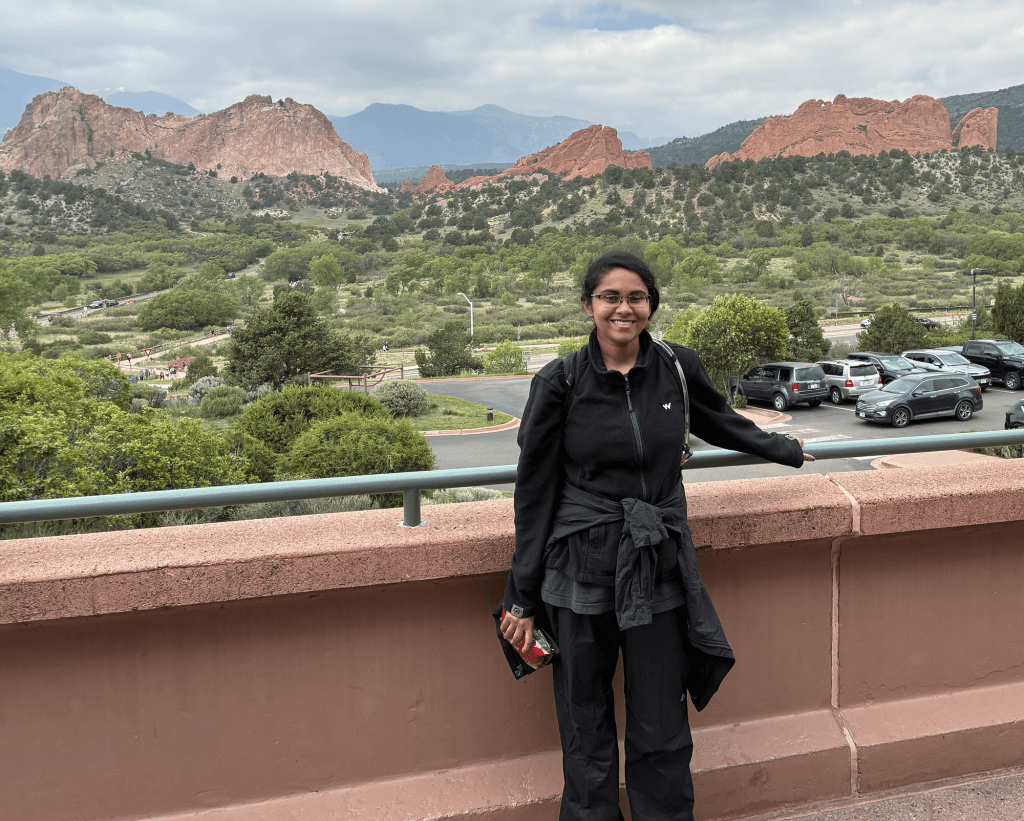
Vyshnavi Vennelakanti
Vyshnavi Vennelakanti (she/her) is a postdoctoral researcher at Princeton University working towards identifying a sustainable CO2-emission free route to ammonia synthesis using computational chemistry methods. She received her PhD in Chemistry from Massachusetts Institute of Technology (MIT) where she computationally investigated the role of transition metals and noncovalent interactions in C–H activation catalysis. Outside of research, Vyshnavi has participated in several outreach activities involving science communication to high school students. In her leisure time, she enjoys singing, knitting, learning new languages, hiking, and exploring new places. She wants to continue staying purpose-driven and never lose curiosity to explore and learn new skills. You can find her on X @Vyshnavi_1812
Code of Conduct
ComSciCon is committed to providing a safe, hospitable, and productive environment for everyone present, regardless of race or ethnicity, religion, ability, socioeconomic status, age, physical appearance, economic or professional status, country of origin, sex, gender or gender expression, or sexuality. A conference where people feel uncomfortable or threatened is not productive, nor tolerable. Accordingly, ComSciCon prohibits intimidating, threatening, or harassing conduct during our conference and is committed to creating and maintaining a safe environment for everyone during the workshop. This policy applies to speakers, organizers, expert reviewers, and attendees, and by participating in ComSciCon, you agree to adhere to this policy.
ComSciCon expects that participants will:
- Be considerate and respectful to all community members.
- Refrain from demeaning, discriminatory, or harassing behavior, materials, and speech (more below).
- Speak up if they observe anything at an event that conflicts with this Code of Conduct. If you are being harassed or feel uncomfortable, notice that someone else is being harassed, or have any other concerns, please contact a member of the ComSciCon organizing team immediately.
Unacceptable behavior from any community member will not be tolerated. Unacceptable behavior includes, but is not limited to:
- Intimidating, harassing, abusive, discriminatory, derogatory, or demeaning speech, materials, or conduct by any Participants of the event and related event activities. Many event venues are shared with members of the public; please be respectful to all patrons of these locations.
- Violence, threats of violence, or violent language directed against another person.
- Failure to obey any rules or regulations of the event venue.
Harassment of participants will not be tolerated in any form. Harassment includes:
- Offensive verbal or written comments related to gender, gender identity and expression, sexual orientation, disability, physical appearance, body size, race, age, religion, national origin, affinity group, etc.
- Viewing or sharing sexual images in public spaces.
- Deliberate or perceived intimidation, stalking, or following.
- Harassing or non consensual photography or recording.
- Sustained disruption of talks or other events.
- Inappropriate physical contact.
- Unwelcome sexual attention.
- Advocating for, or encouraging, any of the above behavior.
Participants asked to stop any harassing behavior are expected to comply immediately. If a participant engages in harassing behavior, ComSciCon organizers will take any action they deem appropriate, ranging from a verbal warning to expulsion from the conference, to contacting local authorities.
ComSciCon organizers may take action to address any behavior disrupting the conference or making the environment hostile for any participants. We expect participants to follow these rules at all conference events and ComSciCon-related social activities.
If you are being harassed, notice that someone else is being harassed, or have any other concerns, please contact a member of the conference staff immediately (by email at the designated confidential address comscicon25-coc@comscicon.org). Organizers will be available to assist anyone experiencing unacceptable behavior and will work to help you feel safe for the duration of the event. All reports will be held as confidential by ComSciCon event organizers.
We value your attendance, and want to make the conference experience as educational, productive, and fun as possible.
Invited Speakers
Keynote Speaker
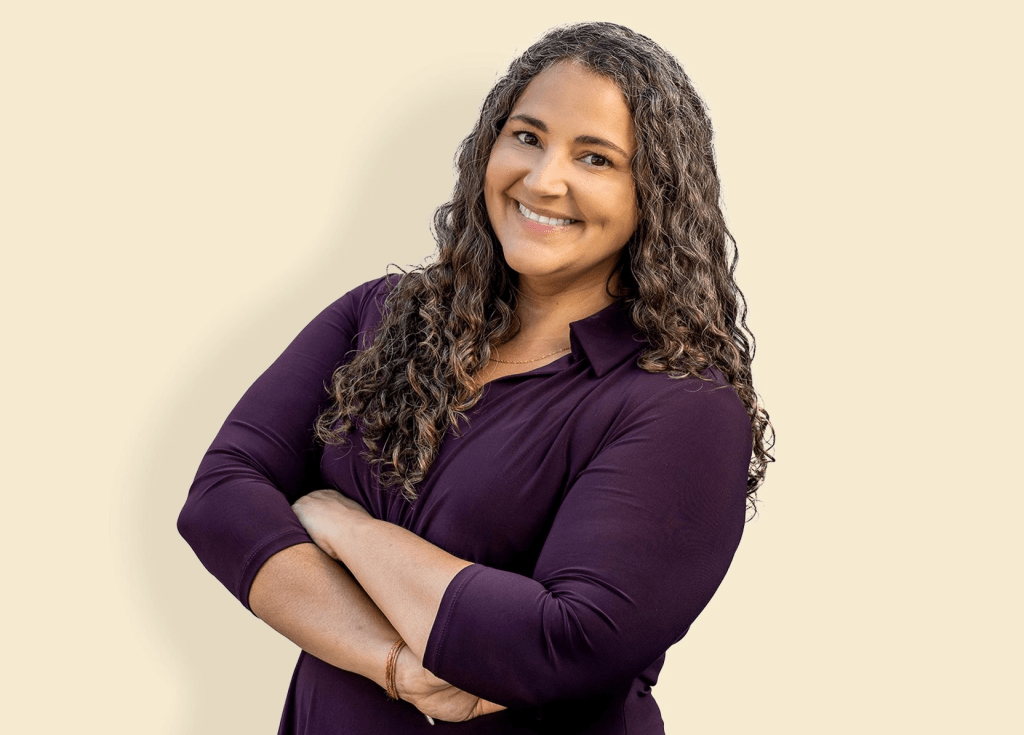
Dr. Laurie Santos
Dr. Laurie Santos (She/Her) is the Chandrika and Ranjan Tandon Professor of Psychology and Head of Silliman College at Yale University. In addition to her work on the evolutionary origins of human cognition, Laurie is an expert on the science of happiness and the ways in which our minds lie to us about what makes us happy. Her Yale course, “Psychology and the Good Life,” teaches students how the science of psychology can provide important hints about how to make wiser choices and live a life that’s happier and more fulfilling. The class became Yale’s most popular course in over 300 years, with almost one out of four students enrolled. Her course has been featured in the New York Times, NBC Nightly News, The Today Show, GQ Magazine, Slate and O! Magazine. The online version of the class—The Science of Well-Being on Coursera.org—has attracted more than 4 million learners from around the world. A winner of numerous awards both for her science and teaching, she was recently voted as one of Popular Science Magazine’s “Brilliant 10” young minds, and was named in Time Magazine as a “Leading Campus Celebrity.” Her podcast, The Happiness Lab, is a top-3 Apple podcast which has attracted 100+ million downloads since its launch.
Digital Media Session
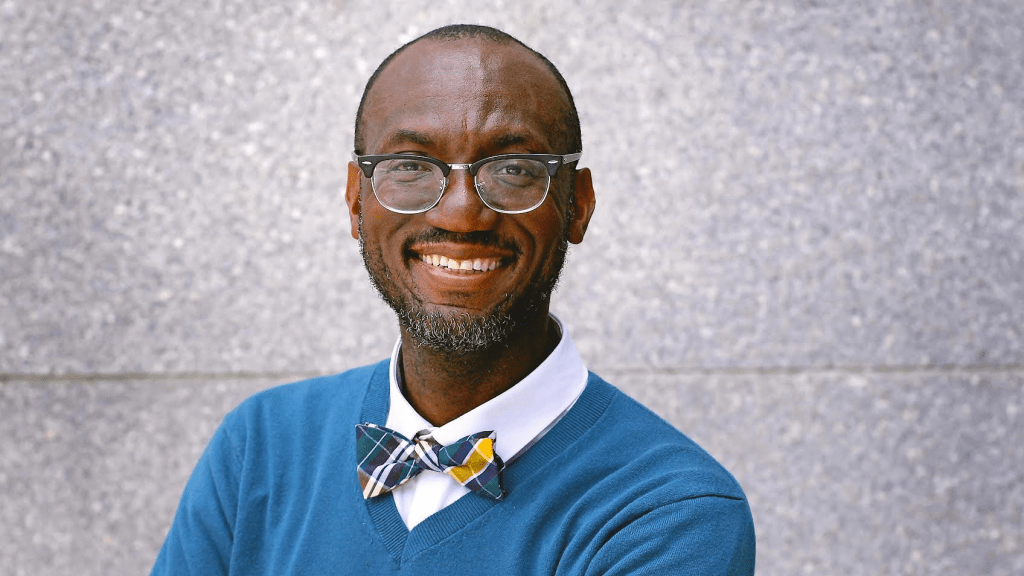
Dr. Andre K. Isaacs
A native of Jamaica, André (He/Him) moved to the US to attend the College of the Holy Cross where he received his B.A. in Chemistry in 2005. He received his PhD from the University of Pennsylvania in 2011 (under the guidance of Professor Jeffery D. Winkler), where he focused on the design and synthesis of novel steroid-derived inhibitors of Hedgehog-signaling, based on the alkaloid cyclopamine. He worked as a post-doctoral researcher with Professor Richmond Sarpong at the University of California, Berkeley, where he focused on the synthesis of diterpenoids and the radiolabeled insecticide chlorantraniliprole. In 2012, Andre accepted a tenure-track position at the College of the Holy Cross. In 2018, Andre was promoted to the rank of Associate Professor with tenure. In addition to teaching courses in Organic Chemistry, Andre conducts research utilizing copper-mediated organic transformations. He is a member of Outfront – the college’s LGBTQ faculty and staff alliance and serves as faculty advisor to several student groups including the Caribbean African Students’ Assemblage, acapella group Fools on the Hill and Club Tennis. He uses his social media platform to challenge and dismantle the normative culture in STEM and to increase visibility of queer and BIPOC folks.
Find him on Instagram, TikTok, Bluesky, X, Threads @drdre4000!

Alexandra Gallant-Lee
Alexandra Gallant-Lee (She/Her) is an award-winning science communicator, artist, cartoonist and designer based in Boston. With over fifteen years of experience communicating scientific ideas and concepts through visual communications, she has worked with some of the most cited researchers in the world on some of the most high profile and high impact research in medicine. Her art and design is colorful and playful, but not limited to any single medium or discipline, working in everything from digital art to collage to watercolor, from science art and illustration to design for digital, print and web. Alexandra loves telling the stories of the life sciences through her creativity, using art and design to spark the curiosity in others.
Find her on Instagram/X @gallantdesigner and @alexandragallant.com on BlueSky!
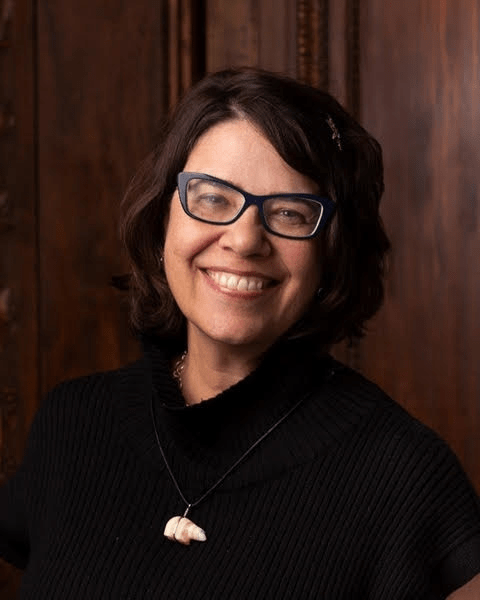
Usha Lee McFarling
Usha Lee McFarling (She/Her) is a national science correspondent for STAT. She previously reported for the Los Angeles Times, Boston Globe, Knight Ridder Washington Bureau, and the San Antonio Light. Her work on the diseased state of the world’s oceans earned the 2007 Pulitzer Prize for explanatory journalism and a 2006 Polk award. Her reporting has also earned the Victor Cohn prize for excellence in medical science reporting, the Bernard Lo, MD award in bioethics, and numerous other awards. Usha graduated from Brown University with a degree in biology and later earned a master’s degree at UC Berkeley after spending years studying the behavior of desert woodrats. She was a Knight Science Journalism Fellow from 1992-3.
Creative Storytelling Session
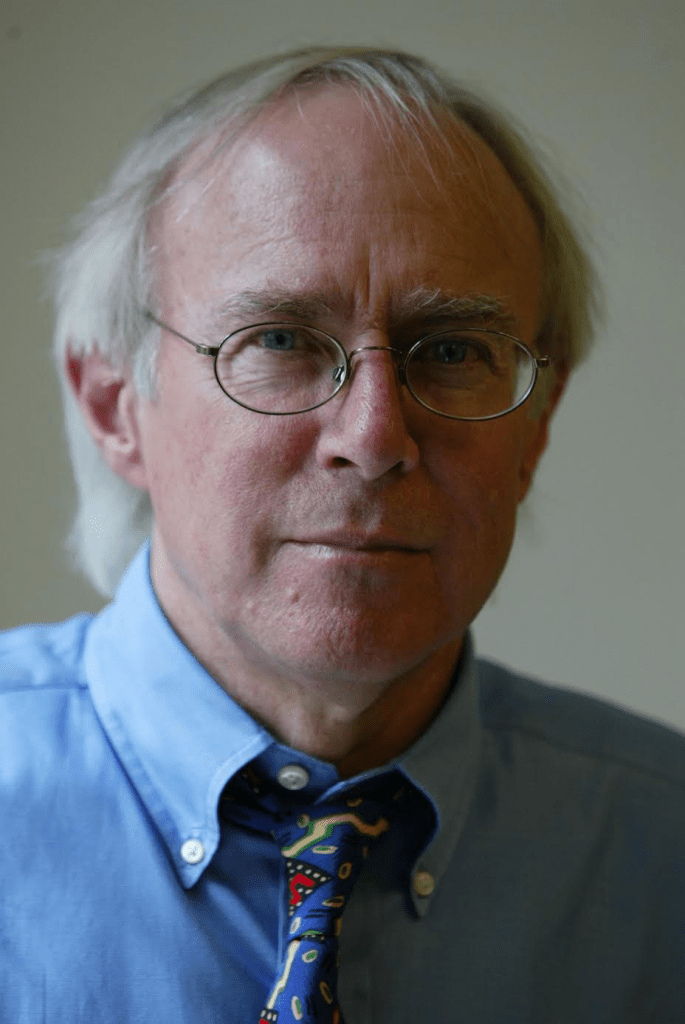
Dennis Overbye
Dennis Overbye (He/Him) has written the “Out There” column for the New York Times for the last 25 years and has been a journalist for 50. His writing has appeared in various magazines, including Time, Discover, Wired, and Sky & Telescope, and he has won awards for his reporting from the National Academy of Sciences, the American Association for the Advancement of Science, the American Institute of Physics, and the National Book Critics Circle. Dennis is the author of two books, “Lonely Hearts of the Cosmos, the Scientific Search for the Secret of the Universe” (HarperCollins 1991, and Little Brown 1999) and “Einstein in Love, a Scientific Romance” (Viking Penguin 2000). In 2014, he was a finalist for the Pulitzer Prize in Explanatory Reporting, for his “authoritative illumination” of the race to discover the Higgs boson. Dennis retired from full-time work at the Times in 2024, while continuing to write for them freelance. He has a physics degree from M.I.T. and lives in Manhattan with his wife Nancy Wartik, a retired journalist and editor.

Rose Bear Don’t Walk
Rose Bear Don’t Walk (She/Her) seeks to bridge science, culture and health through her work with traditional indigenous foods and native plants of northwest Montana. A longtime resident of the Flathead Indian Reservation, Rose is a descendant of the Bitterroot Salish and Crow tribes of the state and an enrolled member of the LonePine Shoshone Paiute in California. She holds a BA in Political Science from Yale University and a Masters of Science in Environmental Studies from the University of Montana. Rose centers her research on the longstanding relationships Salish people have formed with local edible flora and its implications for community health and cultural longevity. Rose’s previous science communication work includes being a host for Complexly’s SciShow (with Hank Green) as well as many presentations and workshops on her work in ethnobotany and Indigenous health/healthcare. Currently, Rose is a PhD candidate at Montana State University in their Indigenous and Rural Health Program and is eager to begin her research collaborating with her Salish community and holding important conversations about the current and future state of Salish food plants and community health. In 2024, Rose received the Luce Indigenous Knowledge Fellowship which provides Indigenous knowledge holders with funds to work on innovative projects in their communities. Recently, Rose has accepted a position within her long-term employer, Indigenous Pact as a Health Equity Analyst. Indigenous Pact is a native-woman owned certified B-corp that works with tribal nations in health and healthcare. As Health Equity Analyst, Rose will continue to build on the company’s mission of improving health equity for American Indians and Alaska Native’s in one generation. Rose currently lives in North Carolina with her husband and two rescues, Sam and Theo.
Find her on Instagram @rosedontwalk and LinkedIn at Rose Bear Don’t Walk!

Mehedi Haque
Mehedi Haque (He/Him) is a Bangladeshi cartoonist with a deep love for drawing cartoons and comics. Although he holds a Master’s degree in Urban and Regional Planning, his true passion led him to pursue a full-time career in cartooning. Mehedi began his professional journey in 1998 with the iconic UNMAD Magazine, where he currently serves as Executive Editor. In 2003, he joined The Daily New Age as a cartoonist and continues to contribute political cartoons as the Senior Cartoonist. A driving force in the local comics scene, Mehedi co-founded the Bangladesh Cartoonist Association in 2010 and served as its first president. In 2013, he took a pioneering step by launching Dhaka Comics, the first dedicated comic book publishing house in Bangladesh. He is also the founder of AKANTIS, the country’s first cartoon school, established in 2011, where he teaches both basic and advanced cartooning courses. Over the years, Mehedi’s work has earned national and international recognition. Some of his notable awards include: • Narayan Debnath Award (2016) – for outstanding contributions to Bangla comics • Grand Prize, Cartoon Contest on Right to Health (SIDA, GTZ, and the Health Ministry of Bangladesh, 2008) • Second Prize, Right to Health Cartoon Contest (2009) • Commendation Award, 16th International Festival for Young Artists, Iran (2009) • Multiple awards from Transparency International Bangladesh for cartoons against corruption (2008–2014) • UNMAD Cartoonist Award (2008) Committed to advancing the art of comics and cartooning, Mehedi is currently pursuing an MFA in Comics at the California College of the Arts in San Francisco. His dream is to integrate comics and cartooning into formal academic curricula in Bangladesh. He firmly believes that cartoons are among the most powerful tools of communication — a universal visual language capable of sparking dialogue, bridging divides, and inspiring real change.
Find him on Facebook – Mehedi Haque Cartoons, on Linkedin – Mehedi Haque and Instagram @mehedi.haque.cartoons
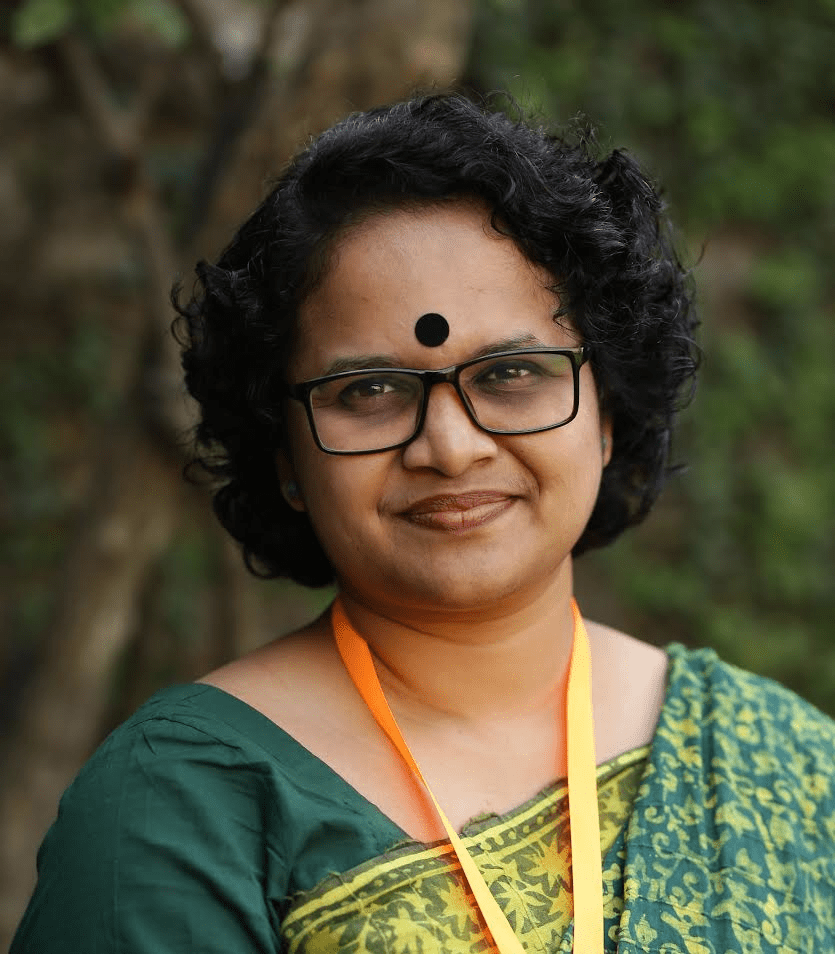
Nasreen Sultana Mitu
Nasreen Sultana Mitu (She/Her) is a Bangladeshi science educator, curriculum developer, and professional cartoonist. She is country’s first science comic artist; and a pioneer in the application of visual storytelling to popularize science as interesting, relevant, and enjoyable for young children. Mitu has worked closely with the National Curriculum and Textbook Board (NCTB), where she assisted in planning and developing the secondary level science curriculum, textbooks, hands-on pedagogy, teacher guides, and teacher training manuals. She also illustrated and designed a number of science textbooks published by NCTB. All these materials are part of the national education system and have contributed to science learning for millions of students across Bangladesh. She had earlier been an assistant professor at the Institute of Education and Research, University of Rajshahi. Her fascination with comics as a tool for education began to build over time, and thus she developed teaching materials that blended science facts with art and storytelling. In an effort to promote science beyond the classroom, she initiated Project Tiktaalik, a project that develops printed and electronic educational resources in the format of cartoons and comics. The project has published various science comic books and web comics over the years. In addition to her educational work, Mitu’s comics are also seen every now and then in magazines and other mass media, causing wonder at science, nature, and everyday things through humor and pictures.
Find her on Facebook – nsmetoo, mitucartoon and projecttiktaalik and on Linkedin – nsmitu
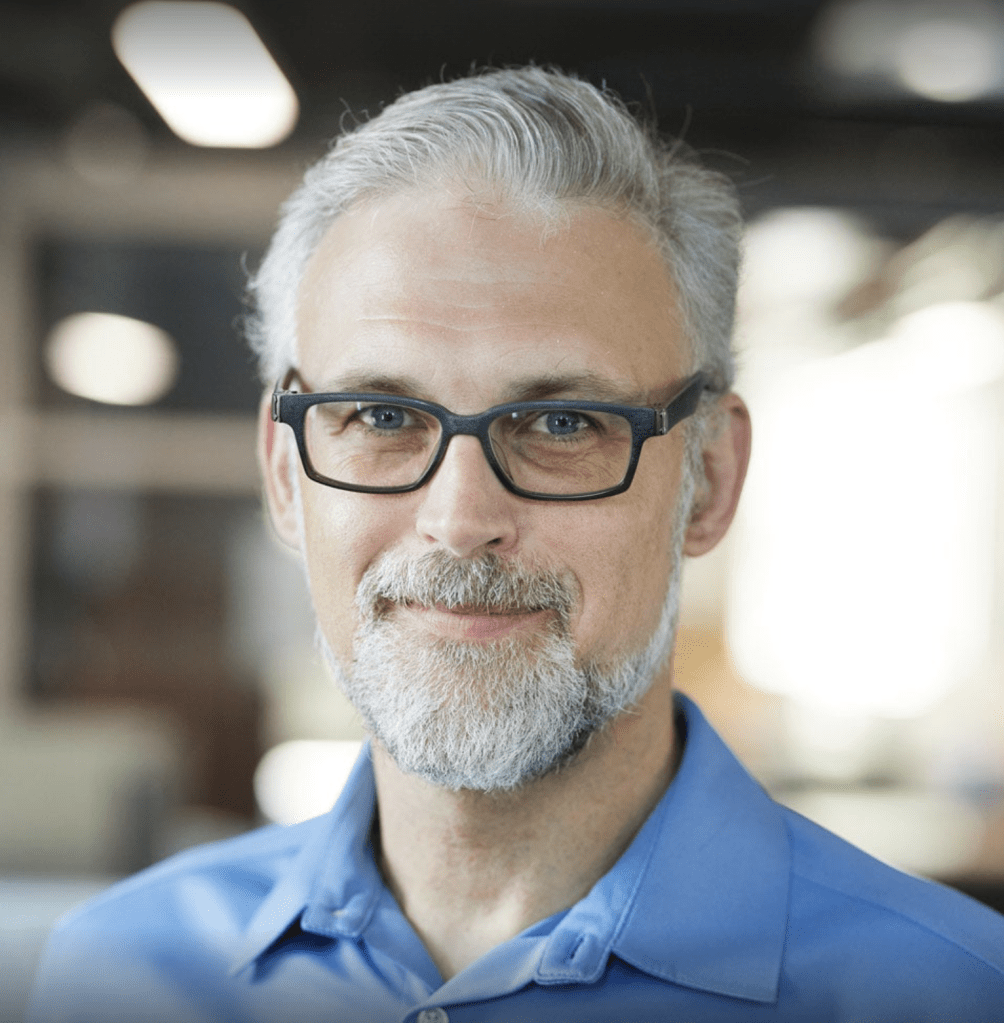
Michael Fitzgerald
Michael F. Fitzgerald (He/Him) has covered innovation for most of his career as a reporter and editor. He has been part of five journalism startups, one of which, ZDNet, is still going strong. His writing has appeared in dozens of publications, including The Economist, Fast Company, and the New York Times. He was articles editor at the Boston Globe Magazine. Most recently, he was editor in chief of Harvard Public Health magazine, leading the team that created a journalistic platform for what works in public health, what doesn’t, and why.
Data Visualization Session

Rita Clare
Rita Clare (She/Her) is a scientific illustrator with backgrounds in molecular biology and biochemistry, as well as graphic design, product design, digital and traditional art mediums. She has Bachelor’s degrees in Product Design and Molecular Biology, and a Master’s in Biochemistry from Montana State University. Between undergrad and grad school, she spent two years as a research intern at the National Renewable Energy Lab in Colorado, where she engineered bacteria to eat plastic. It was also here that she started exploring scientific illustration by helping her colleagues make their research figures look nice. In 2020, she began a Ph.D. program in Biochemistry with an NSF GRFP Fellowship, where she continued to study the enzymes involved in PET plastic depolymerization. However, she eventually found herself spending more and more time making journal cover art as a way to avoid reading papers and planning experiments. In 2022 she graduated with her Master’s degree, deciding to pursue scientific illustration full time and founding her business Scivetica. Her work focuses on figures, journal covers, and general illustrations depicting concepts spanning biochemistry, polymer science, chemical engineering, and anything else related to the life sciences and chemistry. She is a member of the Association for Science Communicators, and the Guild of Natural Science Illustrators. She currently lives in Portland, Maine with her partner and deaf dog Green Bean, where she enjoys birding, biking, books, and tending to her many houseplants.
Find her on Bluesky and Instagram @scivetica and on Linkedin Rita Clare!
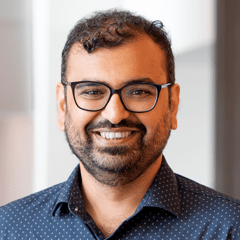
Arvind Satyanarayan
Arvind Satyanarayan is an Associate Professor of Computer Science at MIT EECS, and a member of the MIT Computer Science and Artificial Intelligence Lab (MIT CSAIL). He leads the MIT Visualization Group, which uses data visualization as a petri dish to study intelligence augmentation (IA), or how software systems can amplify our cognition and creativity while respecting our agency. His work has been recognized with an IEEE VGTC Significant New Researcher Award, an Alfred P. Sloan Fellowship, and paper awards at premier academic venues (e.g., IEEE VIS, ACM CHI, ACL, etc). Visualization toolkits he has developed with collaborators are widely used in industry (including at Apple, Google, and Microsoft), on Wikipedia, and in the Jupyter/Python data science communities.
Find him on social media @arvindsatya1
Ethics, AI and Science Communication Session
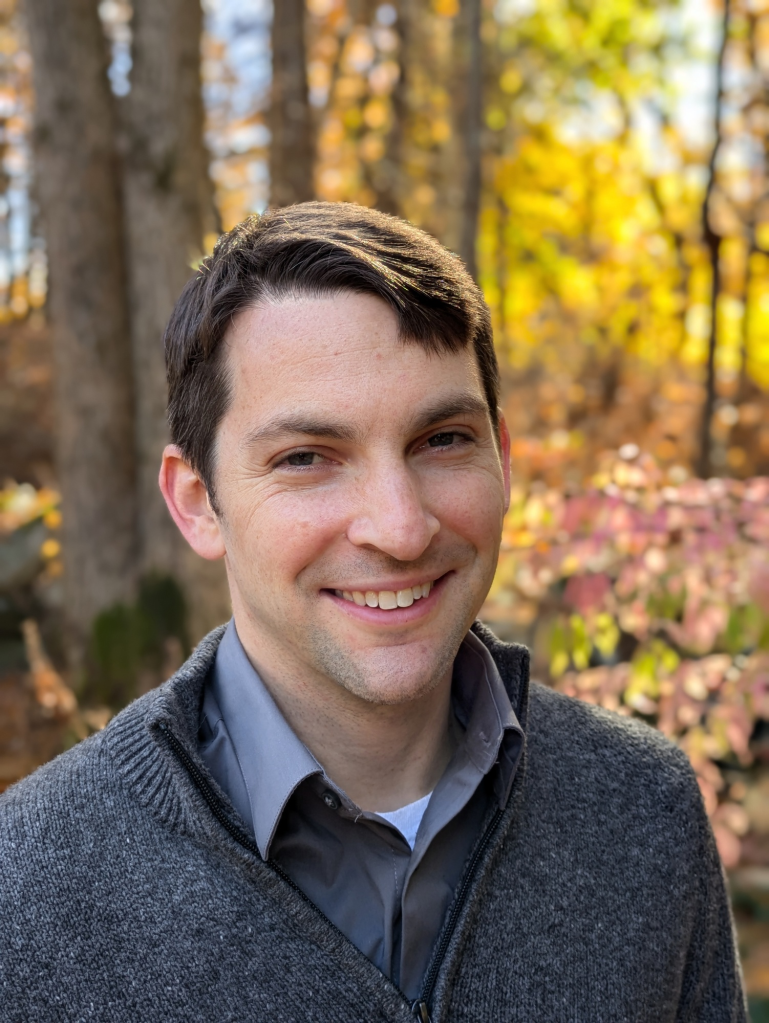
Nathan E. Sanders
Nathan E. Sanders is a co-founder of ComSciCon and an organizer in science communication, a physical scientist and data scientist, and the co-author of the forthcoming book “Rewiring Democracy: How AI Will Transform Our Politics, Government, and Citizenship” written with Bruce Schneier. He is also a co-founder of the graduate student-led science writing collaborative ScienceBites and its pioneering website, Astrobites, which has provided accessible coverage and context for more than 3,000 astrophysics research papers since it was started in 2010. Nathan’s own writing on science and technology has appeared in outlets including The New York Times, The Atlantic, Wired, Foreign Policy, Linux Format magazine, and more. He has built and led data science, ML, and AI teams across three industries: media and entertainment, biotech, and higher education and currently serves as the VP of Data and AI at Harvard Business Publishing. As a Berkman Klein Center Fellow in 2020, Nathan co-founded MAPLE, the Massachusetts Platform for Legislative Engagement, which makes it easy for Massachusetts residents to testify to the state legislature. He is an Associate Editor of the Harvard Data Science Review and a former member of the Board of the American Institute of Physics. Nathan earned his undergraduate degrees in Physics and Astronomy at Michigan State University and his MS and Ph.D. in Astronomy and Astrophysics at Harvard University.
Find him online at https://nsanders.me/
Science Advocacy/Diplomacy Session
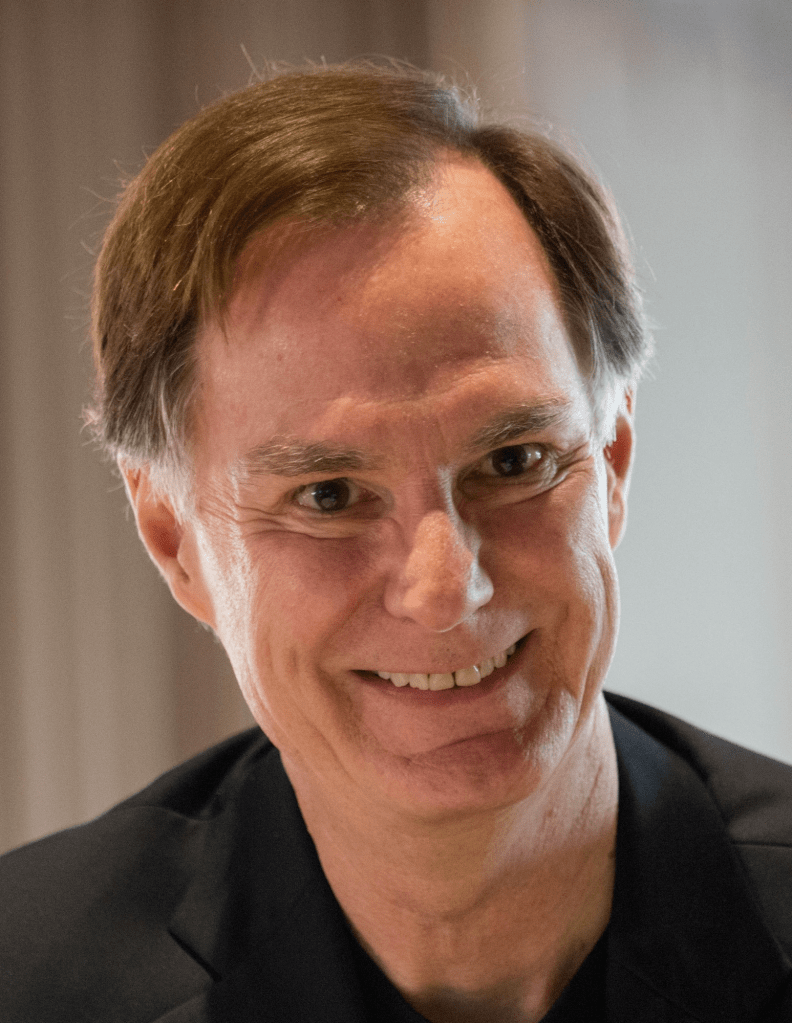
Dr. Edmund Bertschinger
Edmund Bertschinger (He/Him) is Professor of Physics at MIT with an affiliation in the Program in Women’s and Gender Studies. He is a theoretical astrophysicist and physics education researcher. A faculty member since 1986, he served as Head of the Physics Department 2007–2013 and Institute Community and Equity Officer 2013–2018. He is a Fellow of the American Association for the Advancement of Science and the American Physical Society and the recipient of Guggenheim and Sloan Fellowships for his research in astrophysics. Professor Bertschinger is passionate about teaching, mentoring, and the promotion of equity and inclusion in academia. His accomplishments in these areas have been recognized at MIT with university-wide awards as well as the Excellence in Physics Education Award of the American Physical Society. He is an honorary member of the MIT Alumni Association. His recent teaching includes classes called “Science Activism” and “Teaching and Mentoring MIT Students.” He has served in numerous professional service roles including the Committee on the Status of Women in Astronomy (2010–2016), the Committee on the Status of Women in Physics (2023–2025), and as a trustee of the Summer Science Program (2019–2024). He was co-chair of the American Institute of Physics National Task Force to Elevate African American Representation in Undergraduate Physics & Astronomy (TEAM-UP, 2018–2020). He was a founding steering committee member of the American Physical Society Inclusion, Diversity, and Equity Alliance (APS-IDEA). Ed is originally from California and was the first in his family to graduate from college. He enjoys relaxing with cooking, baking, birdwatching, and viewing total solar eclipses.
Find him on Linkedin https://www.linkedin.com/in/edmund-bertschinger-403aab15/ !

Prosper A. Amuquandoh
Prosper Amuquandoh is a seasoned communications and advocacy professional with over 15 years of leadership at the nexus of science, diplomacy, and sustainable development. He has spearheaded industrial decarbonization initiatives, shaped energy and international trade policy and regulatory frameworks, and driven climate & sustainability strategies, as well as infrastructure development and operational excellence. As Co-Chair of the Diplomacy & Multilateral Professional Interest Council at the Harvard Kennedy School of Government, Prosper convenes global dialogues on multilateral cooperation, science, and climate diplomacy. He is also a professional journalist and public relations specialist, affiliated with the Ghana Journalists Association (GJA) and the Institute of Public Relations, Ghana (IPR). His multidisciplinary academic background spans Physics, Mathematics, Computer Science, as well as Public Policy and Public Administration. He studied at the University of Ghana, the Abdus Salam International Centre for Theoretical Physics and the University of Trieste (both in Italy), as well as at the University of Oxford, Harvard University and MIT. Prosper’s academic, leadership, and professional impact have been recognized with numerous awards and honors. He received the TRIL Fellowship Award from UNESCO in 2009 to pursue training and nanotechnology research in Italian laboratories; the Mandela Washington Fellowship Award from President Barack Obama and the U.S. Department of State in 2016; the Forty Under 40 Energy Award at Ghana’s inaugural Forty Under 40 awards ceremony in 2017; and the Rising Star of the Year Award at the Ghana Energy Awards, and the Africa Initiative for Governance Scholarship Award from the University of Oxford in 2018. Most recently, he received the Kistefos African Public Service Fellowship Award from Harvard University in 2024. Prosper Amuquandoh leverages his technical expertise, communication and advocacy skills, and strategic leadership to develop innovative, evidence-based scientific and policy solutions that advance sustainable development and foster international collaboration.

Dr. Kyla Bennett
Kyla Bennett (She/Her) is the Director of Science Policy at Public Employees for Environmental Responsibility (PEER). Kyla first became involved with PEER in the mid-1990s when she became a whistleblower herself. She previously worked at the United States Environmental Protection Agency Region 1 for 10 years as a wetland permit reviewer and as the Region’s Wetlands Enforcement Coordinator. Kyla’s familiarity with science, the law, and the inner workings of state and federal governmental agencies enable her to assist public environmental employees throughout New England. She has a Ph.D. in ecology from the University of Connecticut and a law degree from Lewis and Clark Law School in Portland, Oregon.
Find her on Twitter @bennettpeer!

Dr. Paul Higgins
Paul Higgins is an Associate Executive Director of the American Meteorological Society (AMS) and a senior scientist with the AMS Policy Program. Paul specializes in global change and its causes, consequences, and potential solutions. He launched AMS’ Climate Policy Colloquium in 2024 and leads AMS’ Science Policy Colloquium. In 2011, he was named a Google Science Communication Fellow. From 2005-2006 he was a Congressional Science Fellow in the United States Senate, where he worked on climate policy. He was a National Science Foundation postdoctoral fellow at the University of California and a fellow of the Department of Energy’s Global Change Education Program. Dr. Higgins received Ph.D. and M.S. degrees from Stanford University and a B.S. from The University of Michigan.
@phiggins.bsky.social ; https://www.linkedin.com/in/paul-at-higgins/
Op-Ed Writing Workshop

Dr. Lauren Gonzalez
Lauren Gonzalez (She/Her) is the Assistant Director of Scientific Communication in the Poorvu Center’s Graduate Writing Lab at Yale University. In this role, she supports graduate writers in effectively communicating their research by managing workshops and peer-review groups led by GWL Fellows, teaching writing workshops in graduate courses, and working with writers one-on-one in consultations. She teaches about all kinds of communication projects, but especially loves working with writers on fellowships, scientific presentations, and writing for public audiences. Before joining the Poorvu Center, Lauren was a geneticist and developmental biologist—her PhD research focused on maternal noncoding RNAs that shape early embryonic development. Throughout her PhD, she also facilitated discussion programs on equity in STEM and participated in community-focused science and health outreach. After her PhD, Lauren worked as a Research Development Fellow in two developmental and stem cell biology labs, writing grants, mentoring graduate and postdoctoral scientists with manuscript writing, and developing workshops on applying artistic observational skills to microscopy. All of these experiences, and the many relationships she formed along the way, have shaped her professional mission: teaching student-scientists to deepen their scientific thinking and connect to their communities through writing and presentations.
Find her on Bluesky lgonzalez@bksky.social!
 ComSciCon